S.23 is the design institute of Samolet, one of the largest residential developers. It designs residential and commercial buildings with BIM and AI-assisted modeling, with 1,500+ specialists on staff. The institute needed a brand of its own to win outside clients against studios with strong names. The work covered the go-to-market strategy, the name, the identity, the website and the social channels.
The market had two kinds of players. Large engineering firms looked corporate and practical and took pride in scale. Architecture studios looked conceptual and took pride in their people and landmark projects. S.23 took the space between them: as conceptual as a studio, with technology as the core of the offer.
Its clients are developers, construction companies, project managers and chief engineers. They decide on numbers: cost, timelines, long-term value, sustainability. They want lower design and construction costs but rarely know which technologies get them there or how to set them up. So the promise is a partner whose tools work from day one.
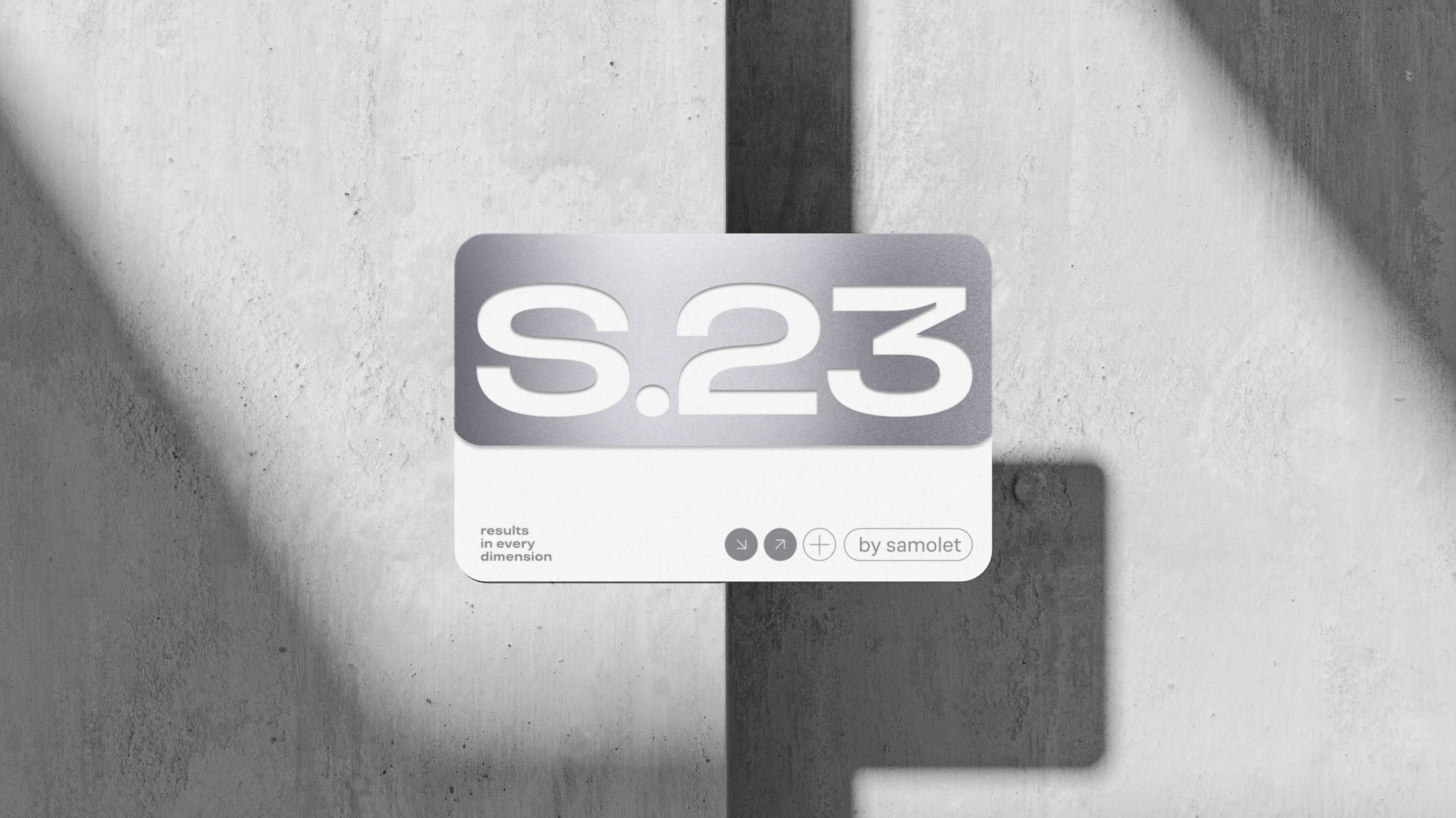
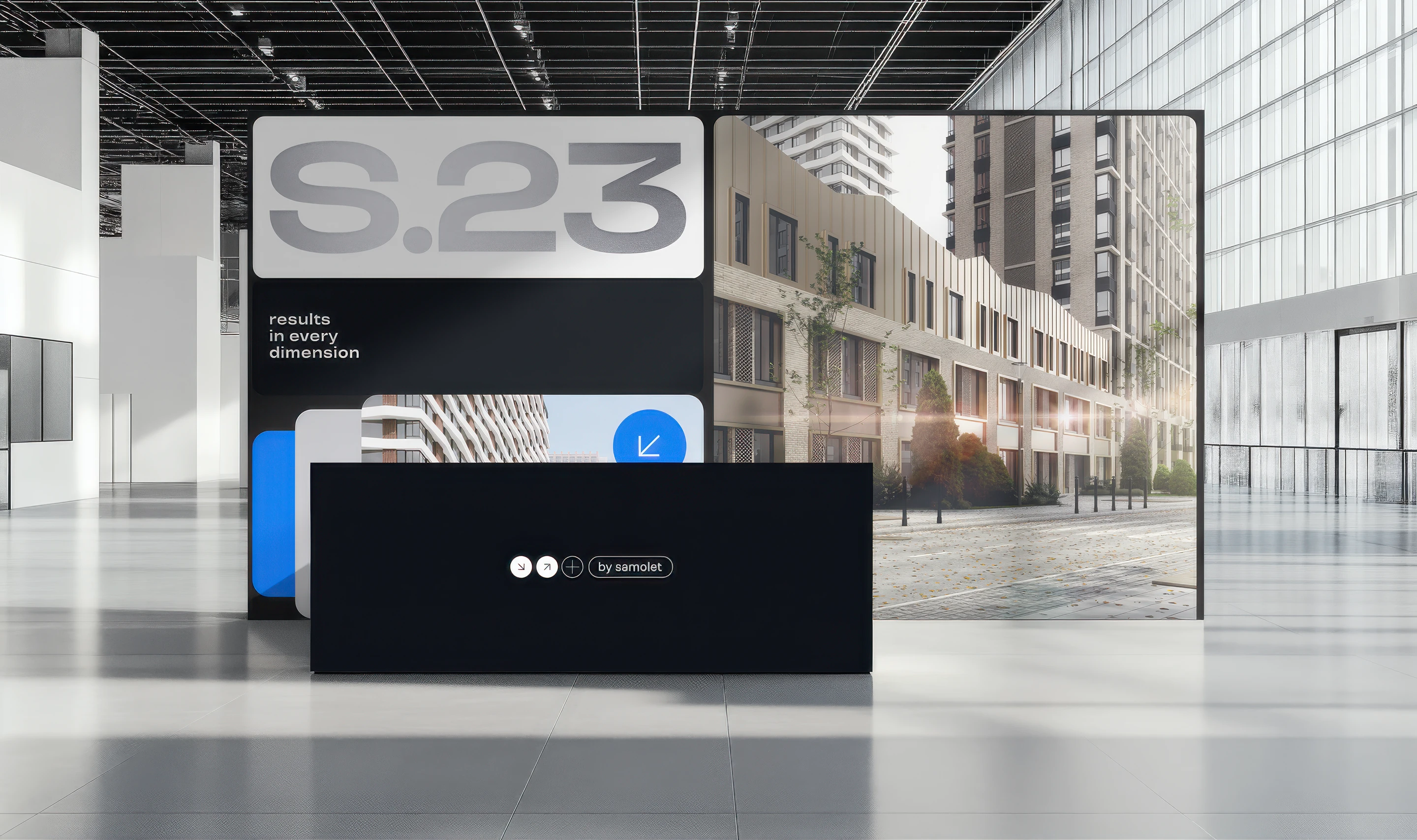
S stands for Samolet, 23 for 2023, the year the institute entered the open market as S.23. The name reads the same in Latin and Cyrillic, S.23 and С.23, and carries the line "results in every dimension".
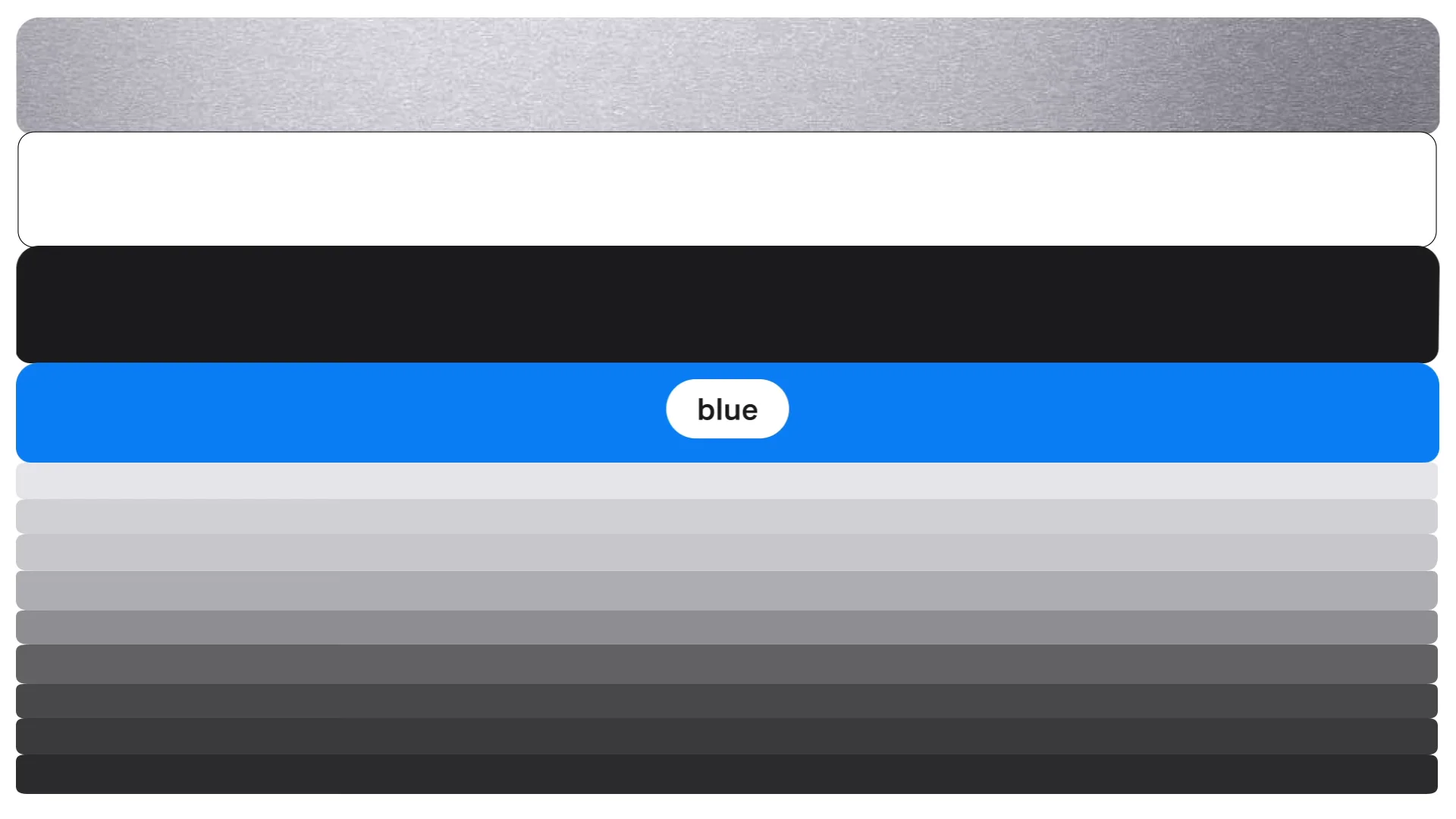
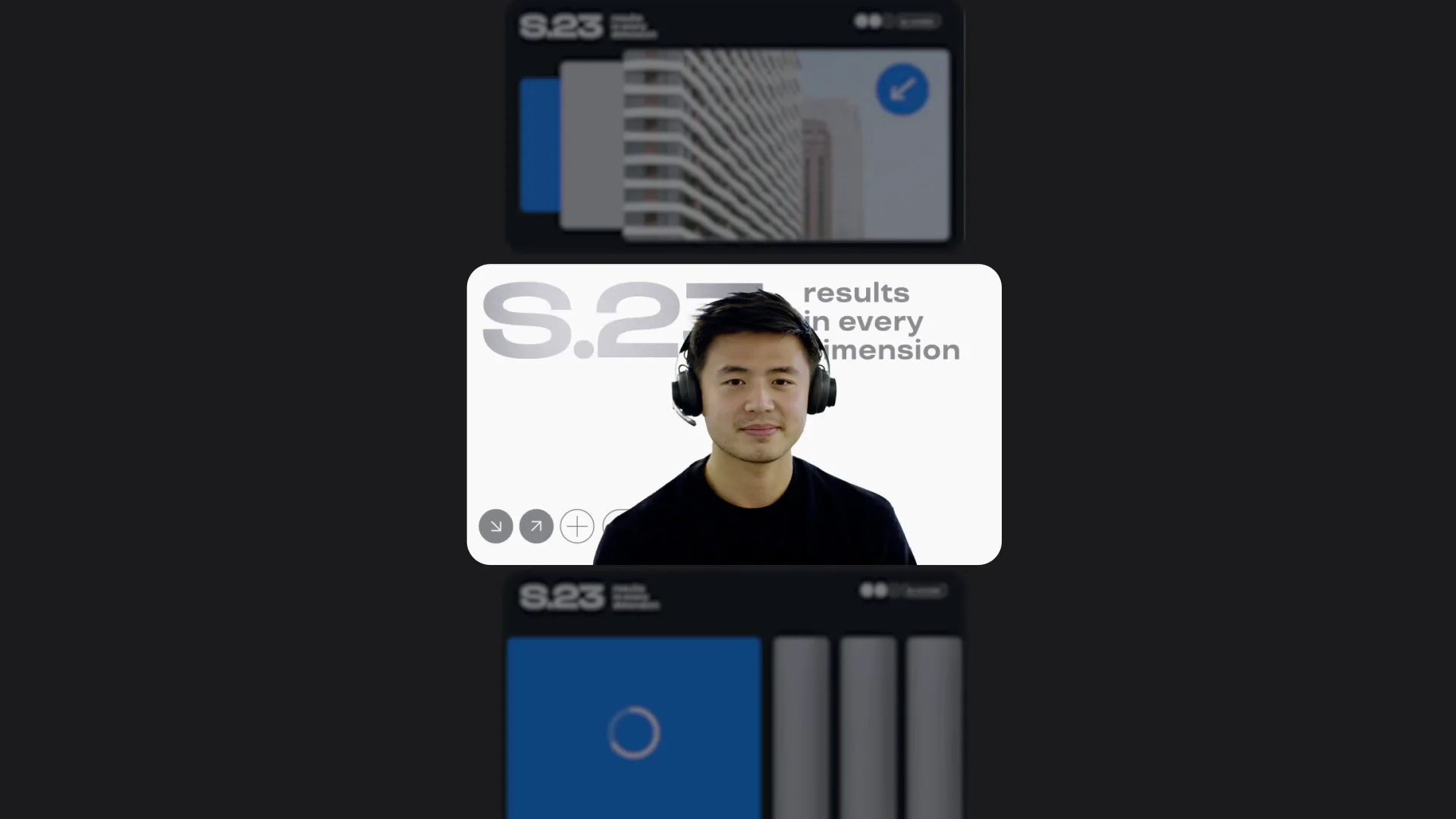
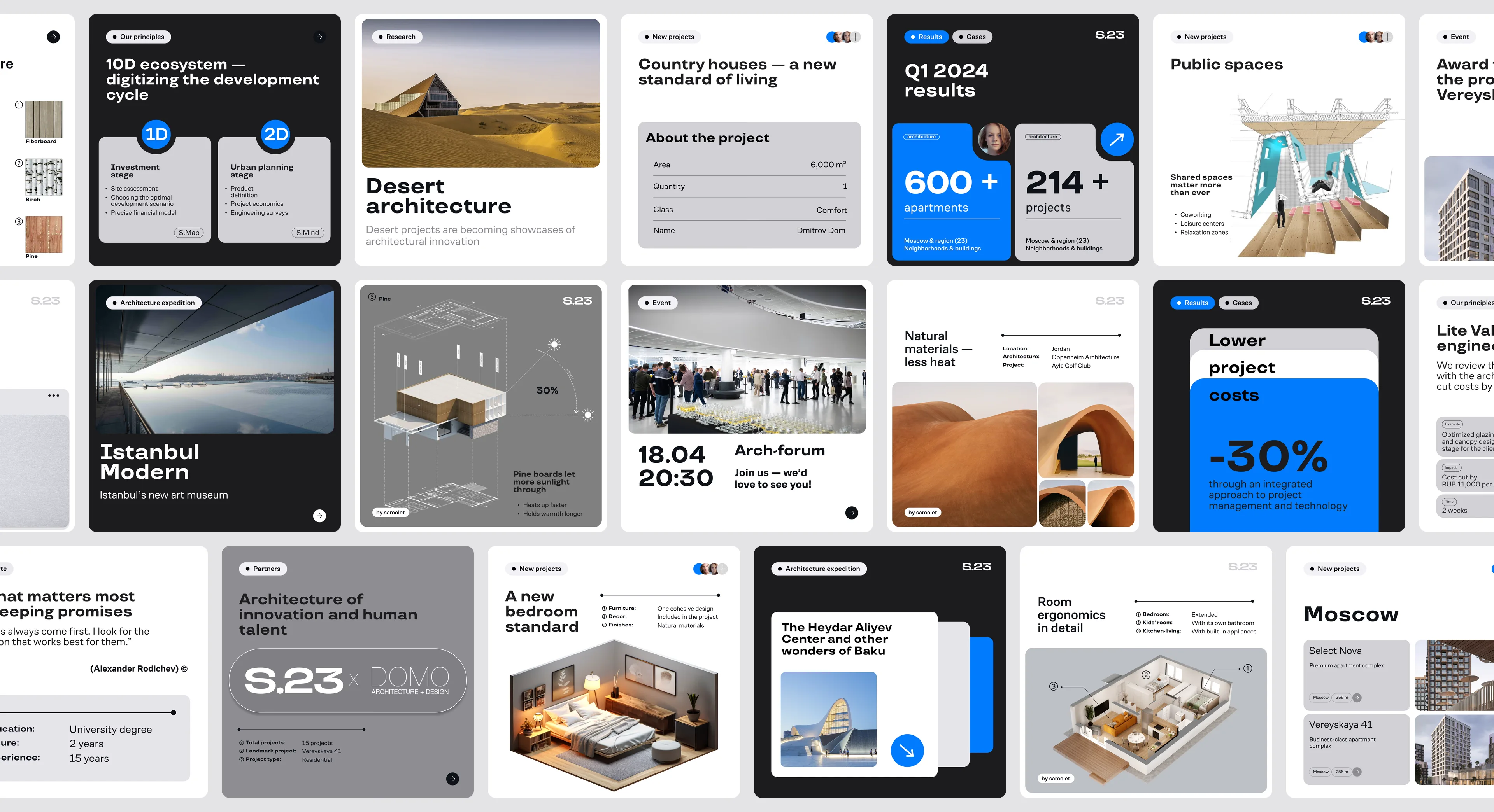
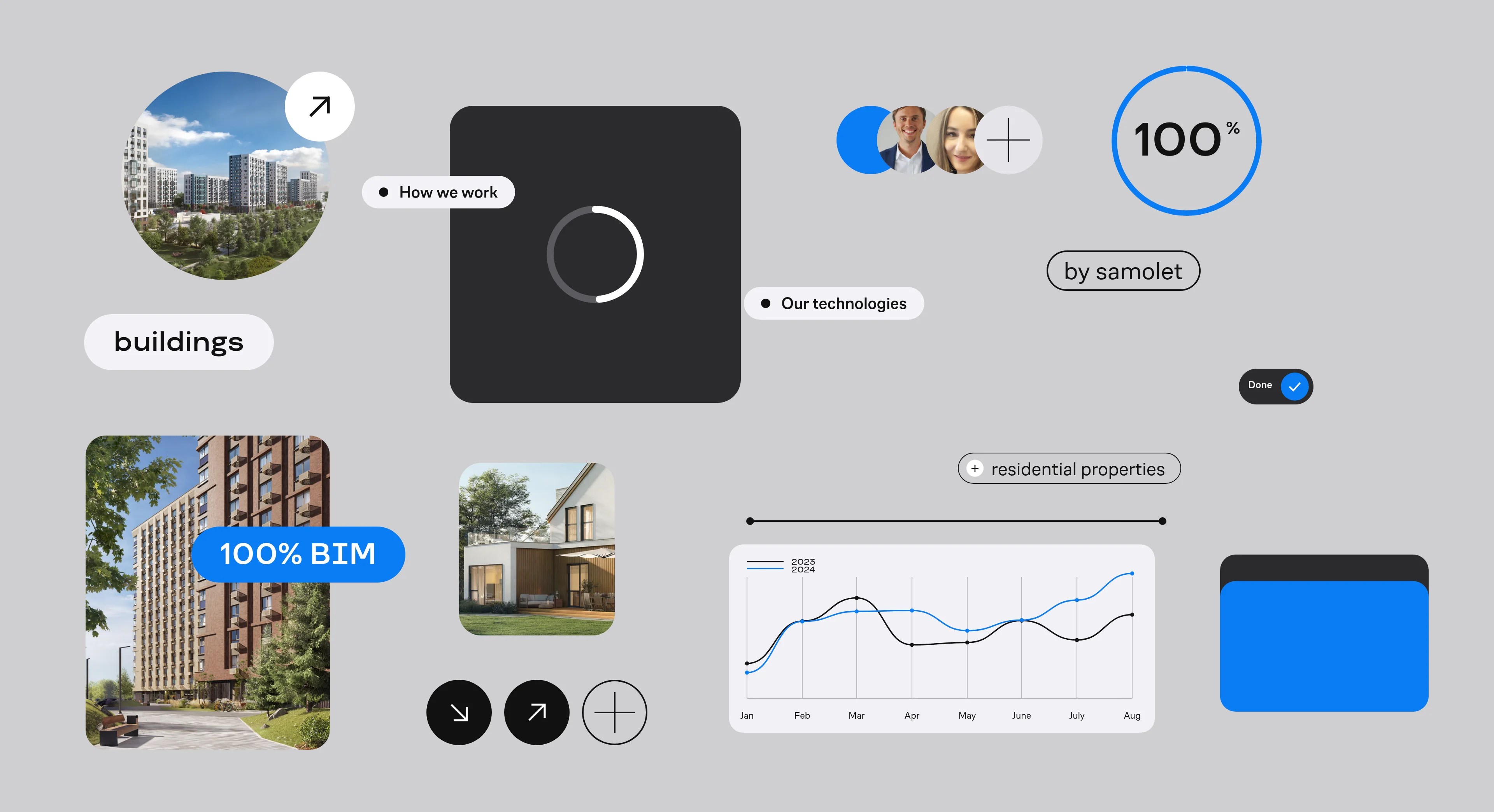
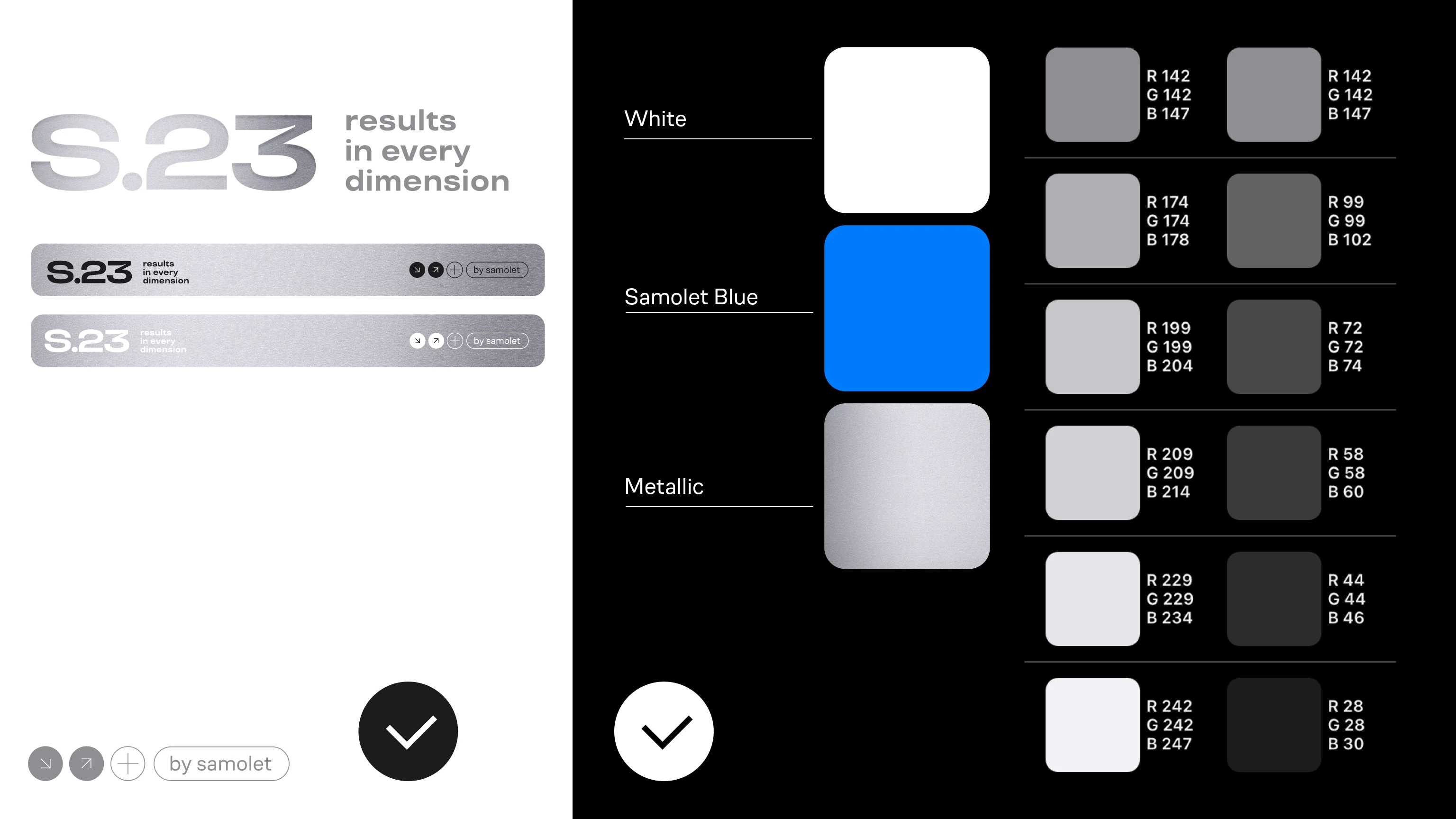
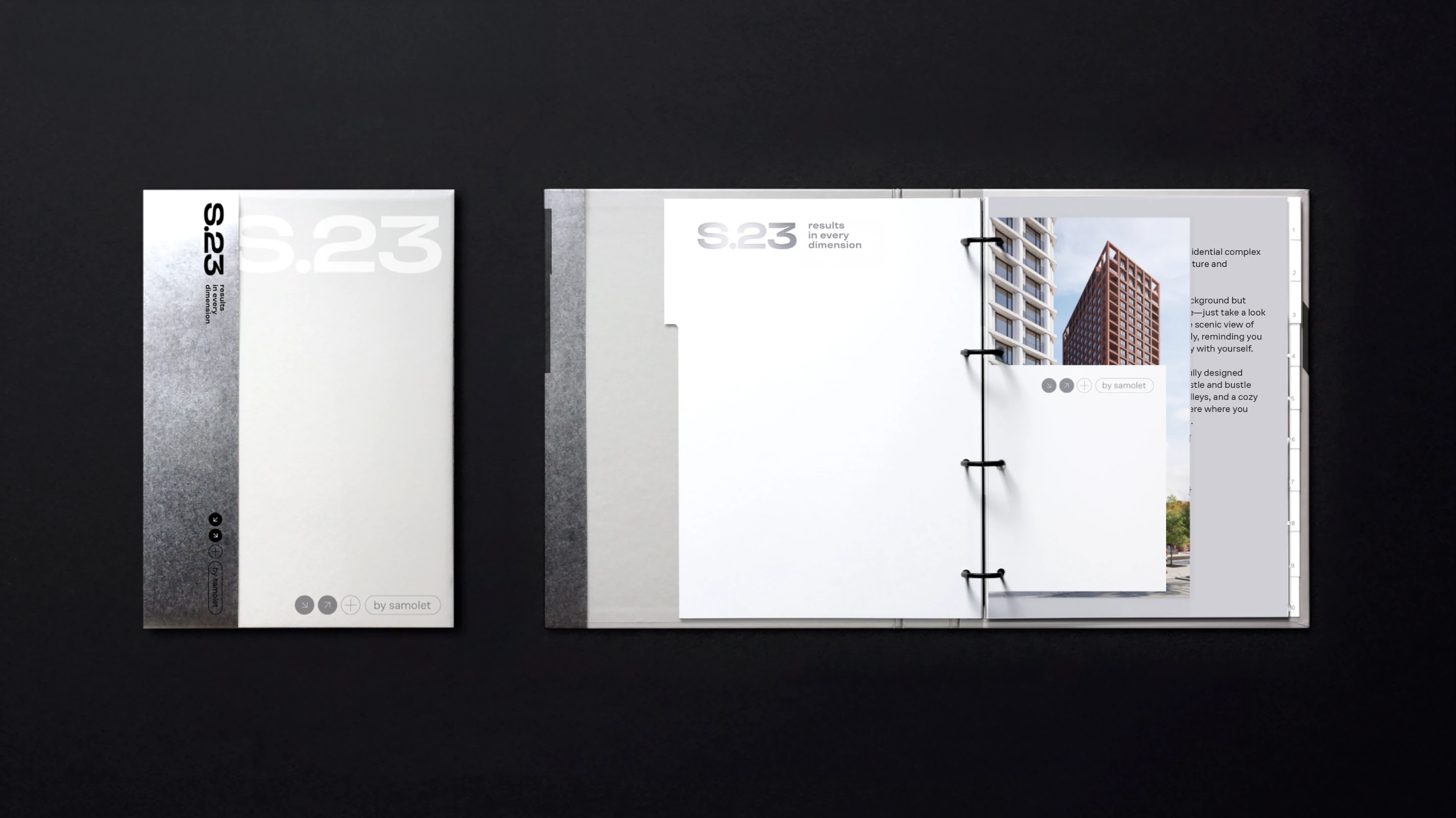
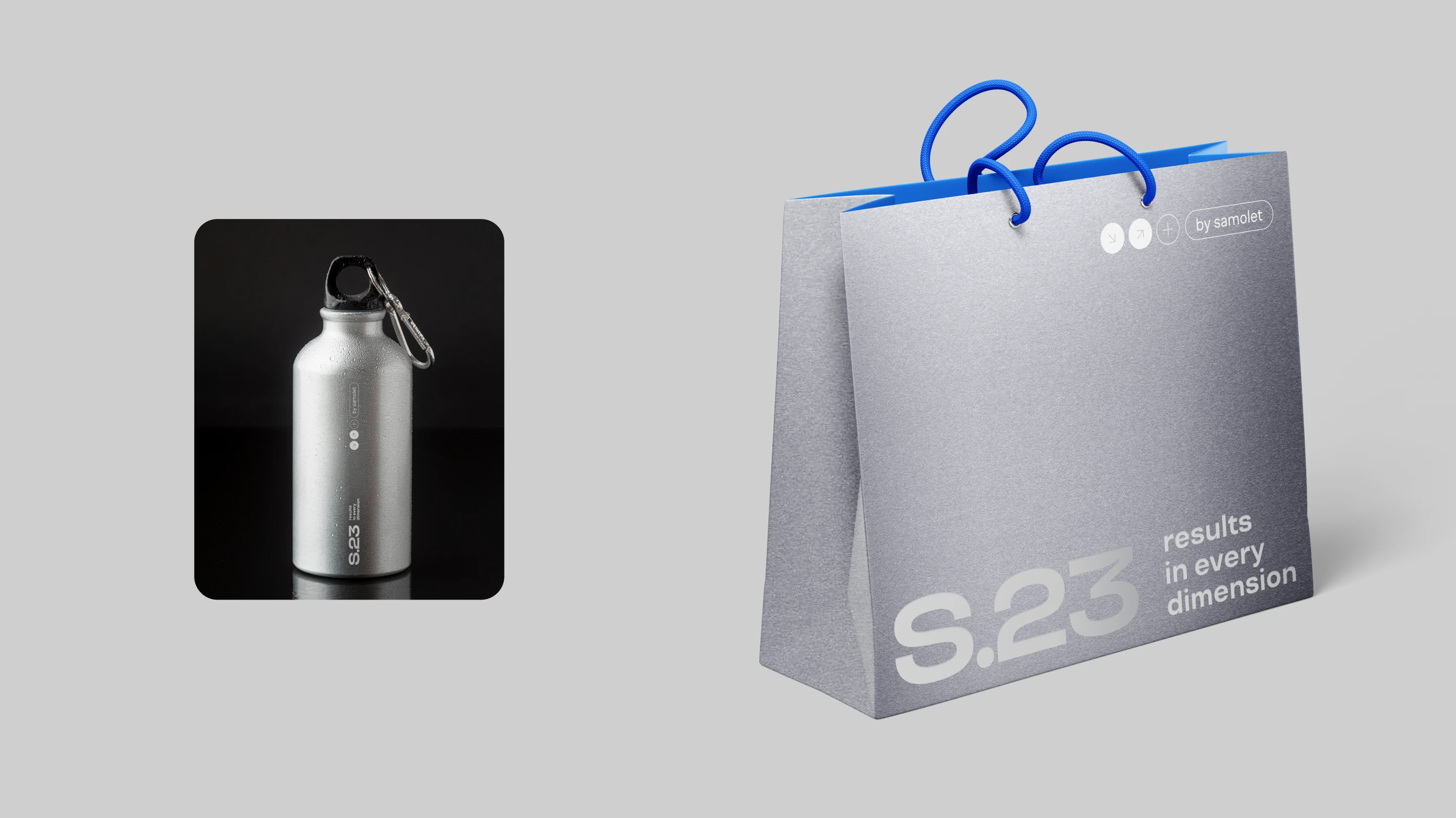
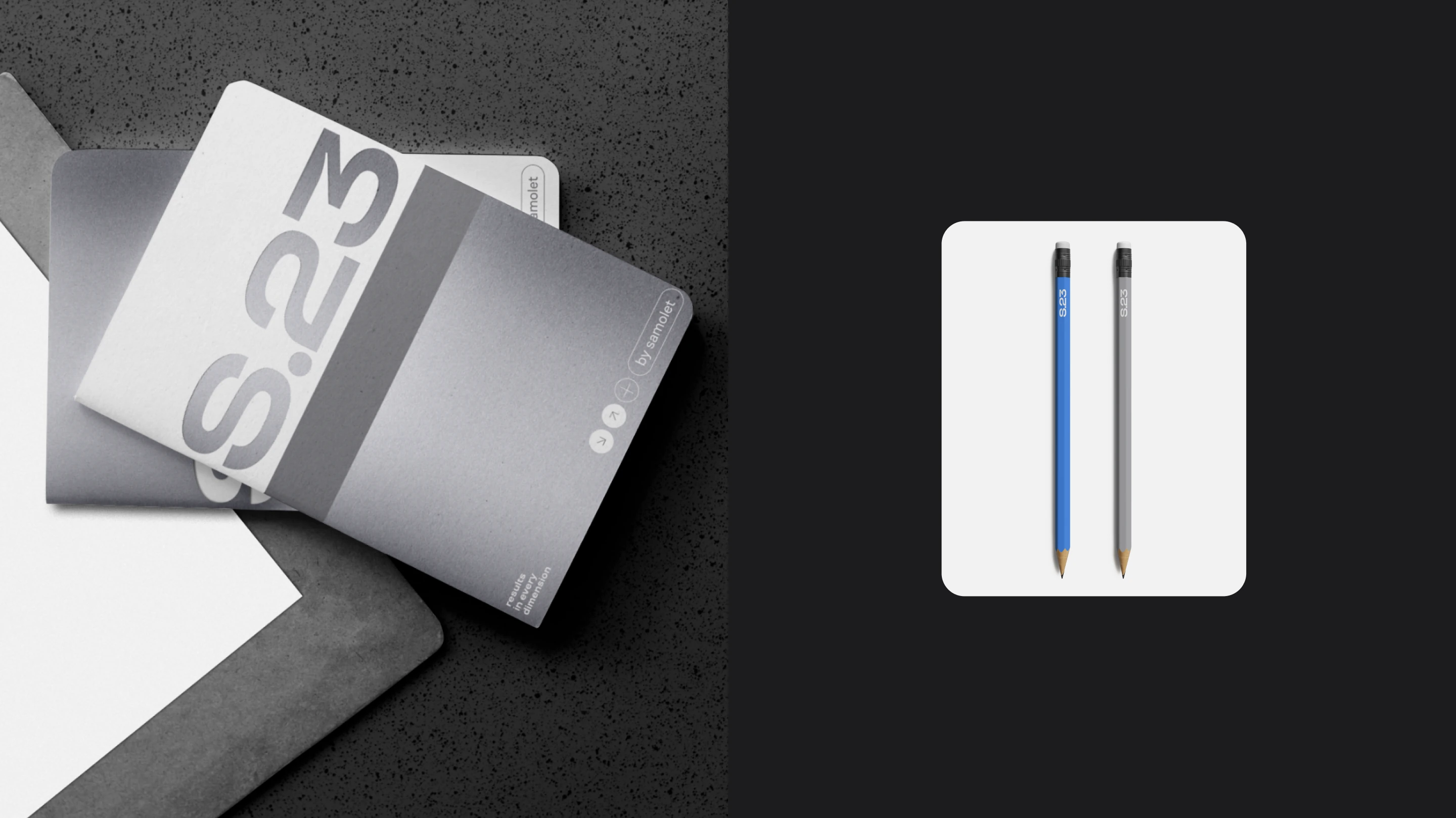
The identity borrows from engineering dashboards: data on display, precise numbers, a strict grid. That metaphor is rare for real estate and design, and it signals a technology company. The link to Samolet runs through its blue accent and the "by samolet" mark; typography and a palette of black, white and brushed metal place S.23 in architecture and construction. The same materials carry the brand through video calls, presentations, folders, merchandise and the office, from a sign plate to the reception wall. Social templates for daily content are assembled in a constructor five times faster than by hand.
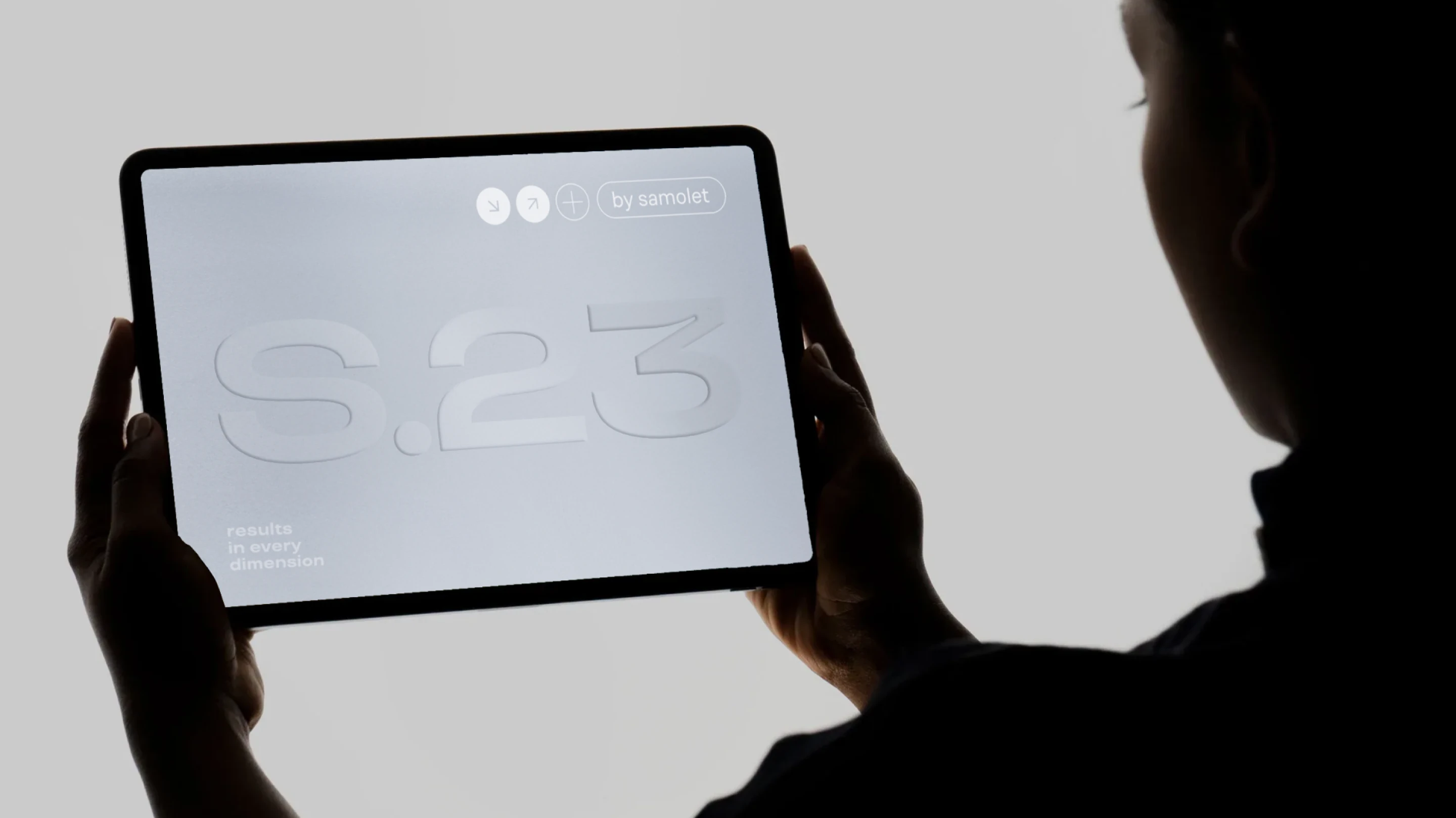
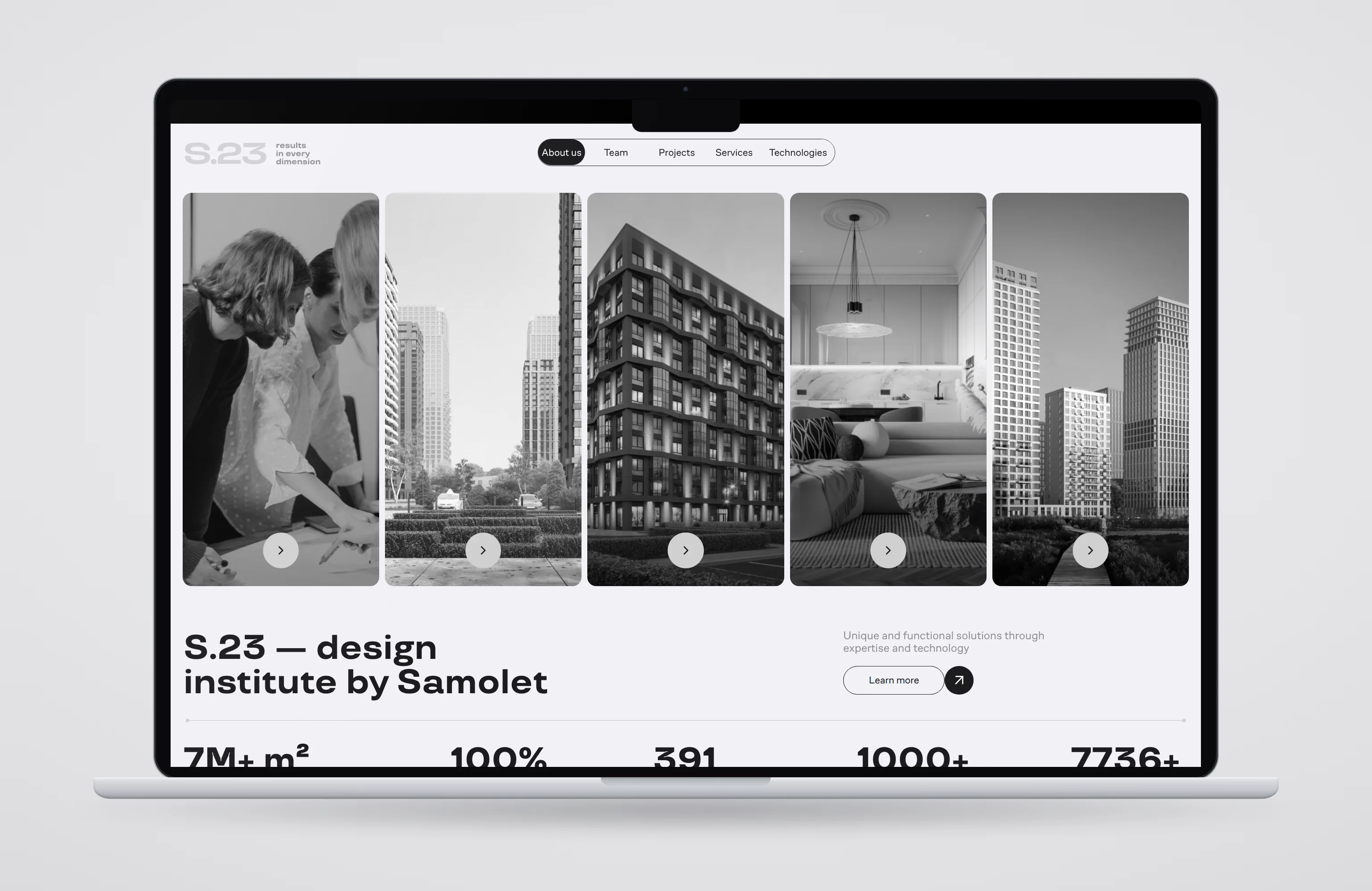
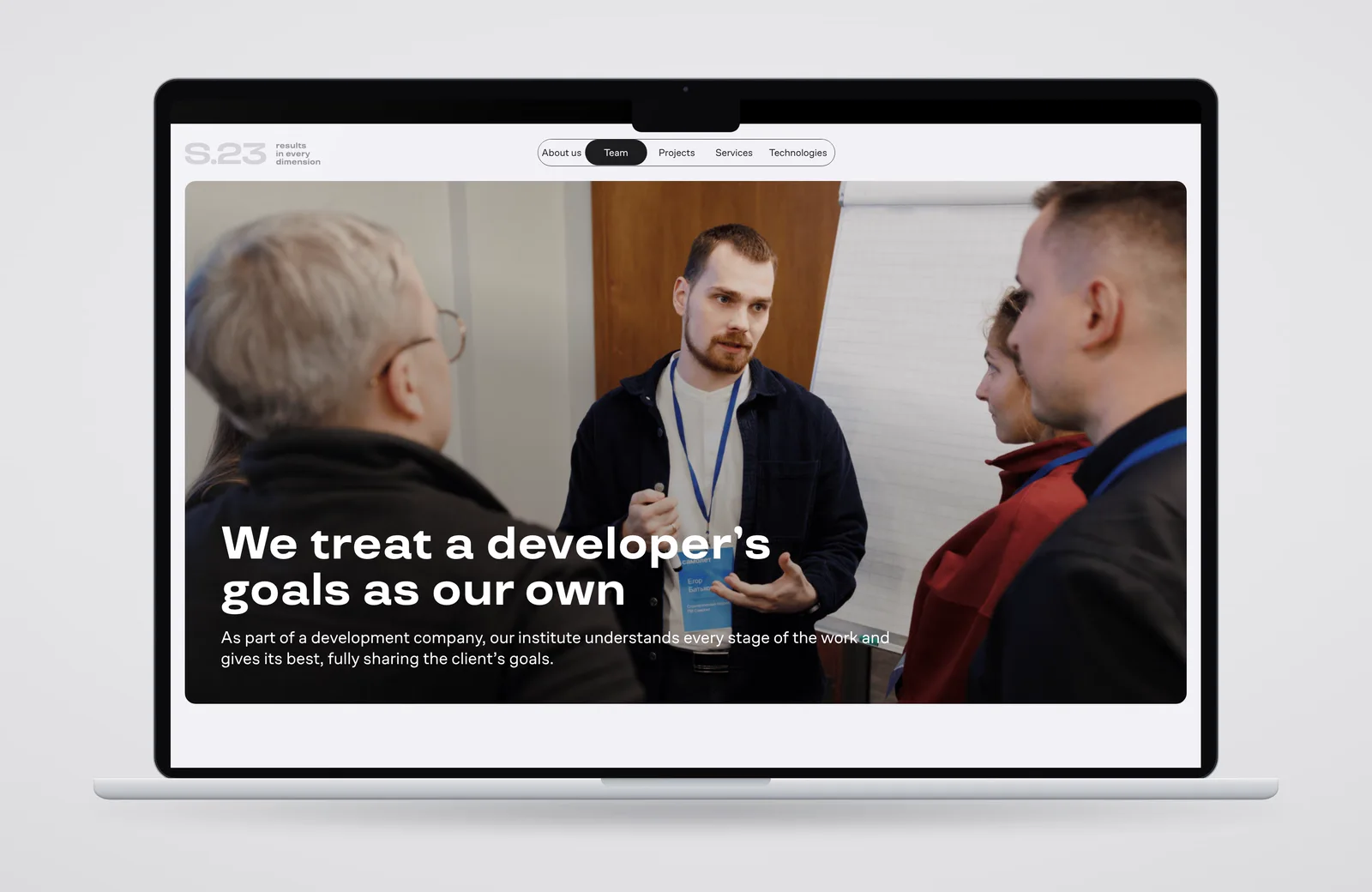
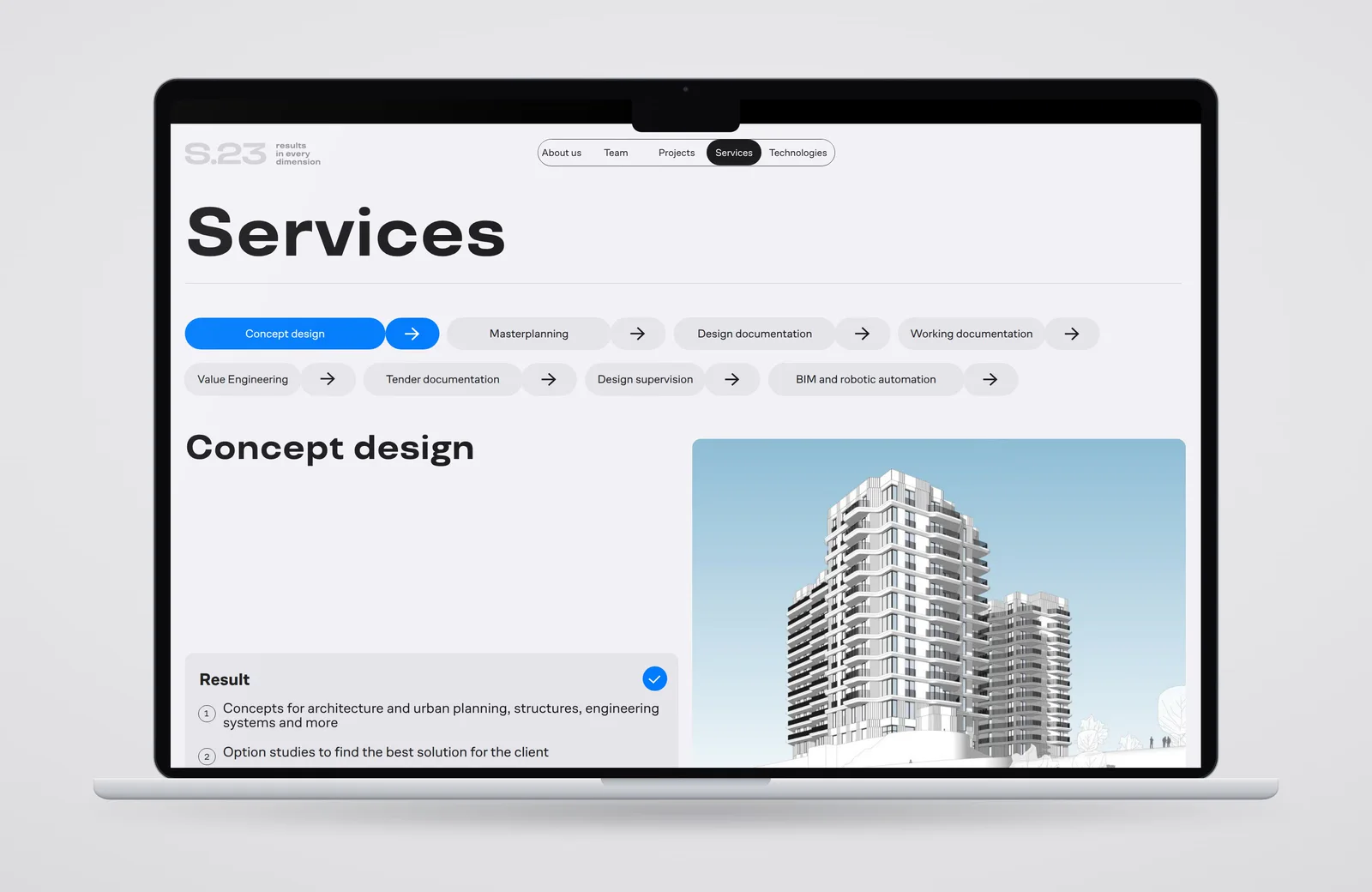
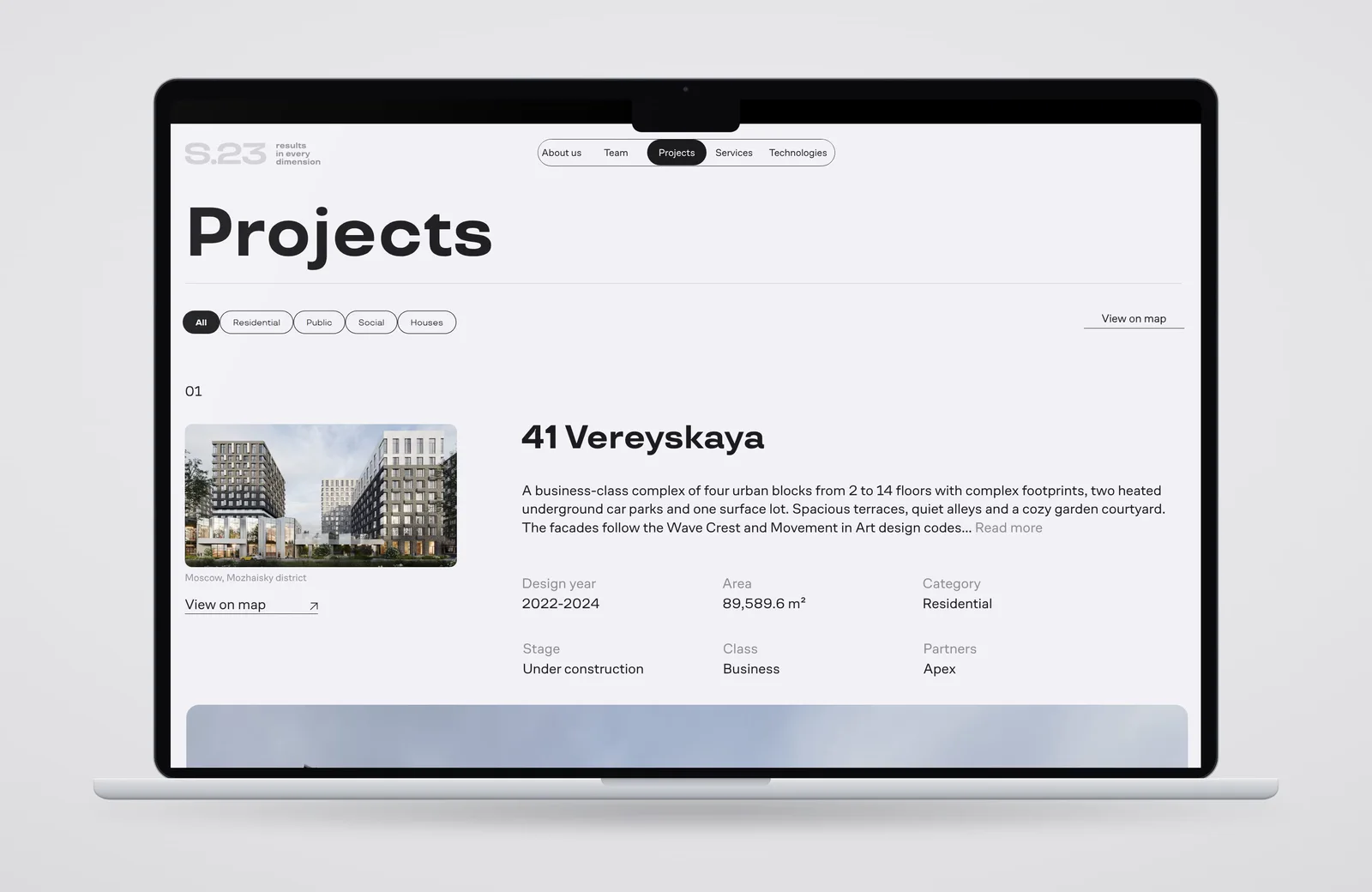
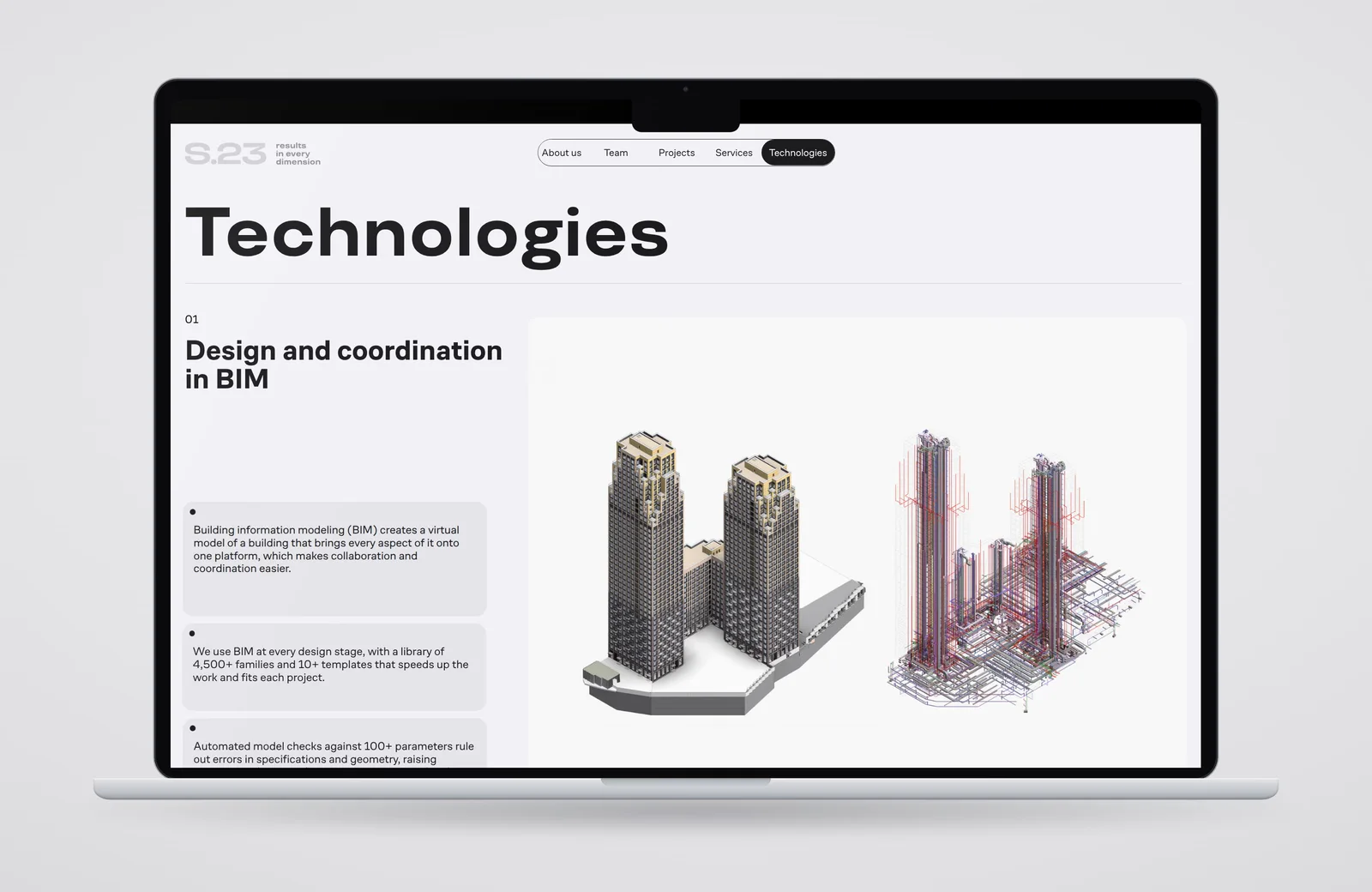
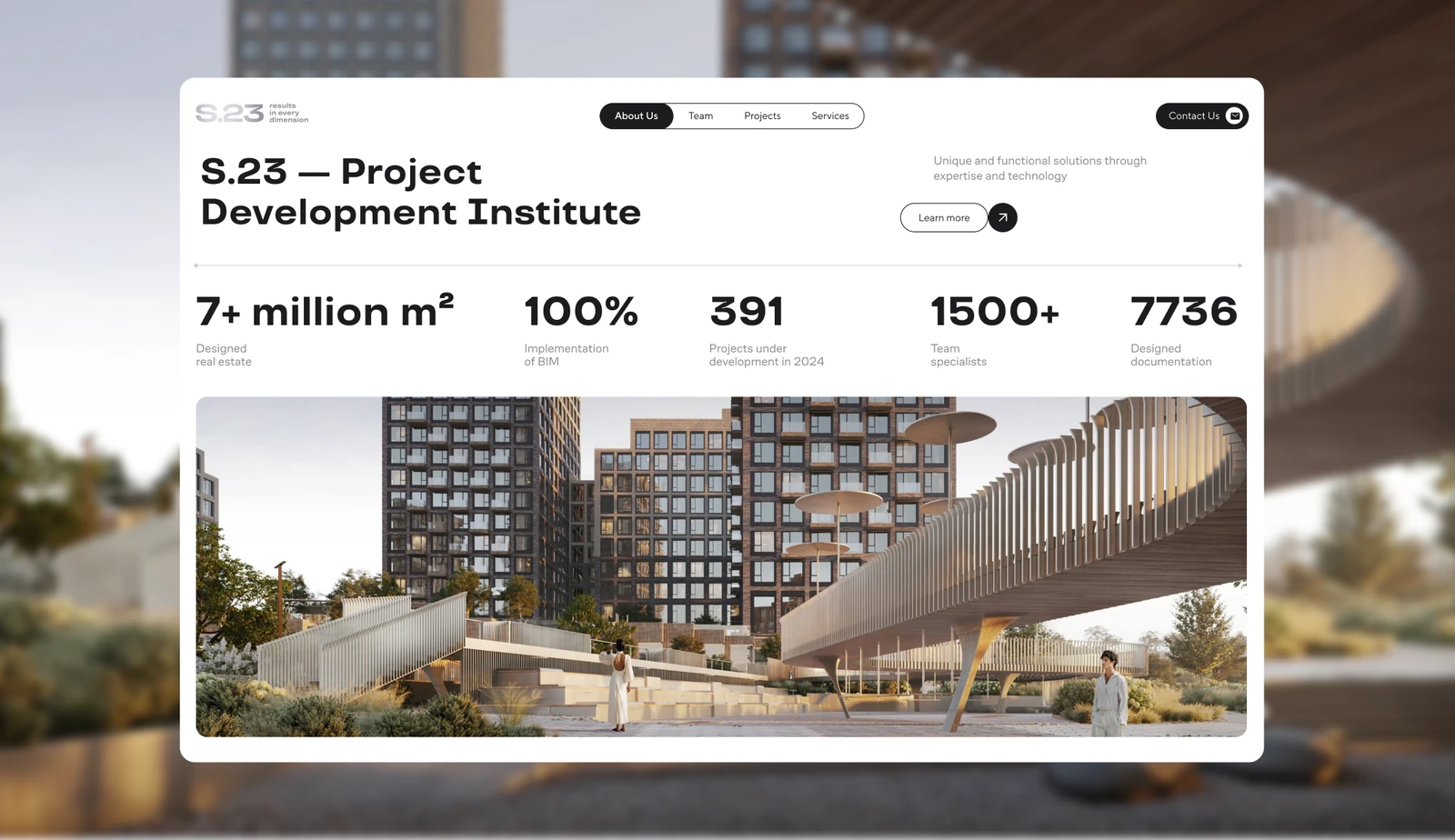
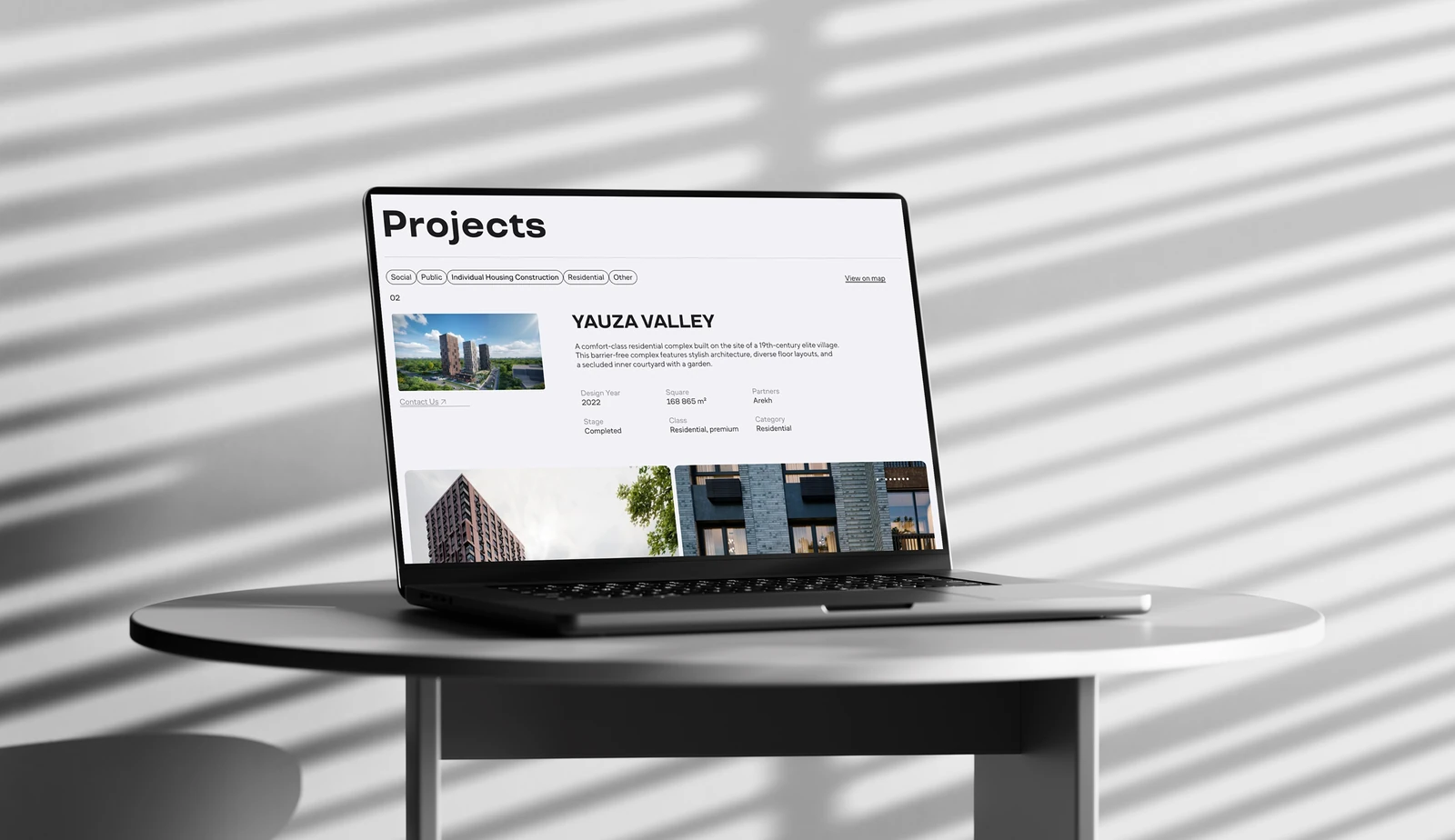
The site is built for developers and engineers who scan before they read. The home page opens with what sets S.23 apart and the key figures: 7M+ m² designed and every project in BIM. Services run from concept design and masterplanning to value engineering and design supervision. Each project comes with its data: location, area, class and stage. The Technology page shows the institute's own tools, from 300+ plugins and a BIM standard to the Virtual Coordinator chatbot and a knowledge base of 4,000+ pages. The Team page traces how the institute grew from a small in-house team in 2018 into a market leader.
LinkedIn and Telegram carry the brand week to week: new projects, BIM and ESG explainers, team stories, events and awards, plus guest articles with architects and industry media. A Value Engineering series used polls, short video explainers and Q&A.
Contract conversion
Brand awareness, with 15% more interest from clients
Engagement on social; the best post reached 8,700 views
Launch budget against the client's plan, with the target results delivered